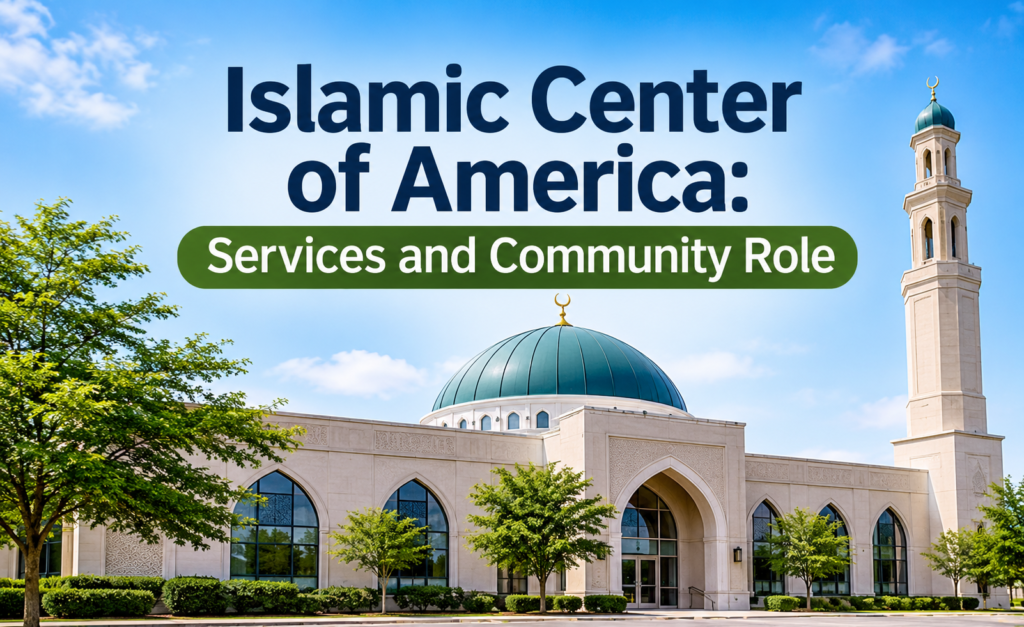
The islamic center of america represents an important part of Muslim religious, cultural, and community life in the United States. Islamic centers serve as places where Muslims can practice their faith, attend religious gatherings, learn about Islam, and connect with others who share their beliefs. Beyond religious activities, these institutions also contribute to education, charitable initiatives, interfaith understanding, and community development.
Understanding the islamic center of america involves looking beyond its role as a place of worship. Its services, educational activities, community programs, and outreach efforts demonstrate how Islamic institutions can support individuals and strengthen relationships within society.
1. History and Growth of the Islamic Center of America
The Islamic Center of America has a history that reflects the growth of Muslim communities in the United States. Its roots go back to the late 1940s, when Muslim families in the Detroit area recognized the need for a dedicated place to practice their religion and preserve their Islamic heritage.
The community’s vision was supported by Imam Mohamad Jawad Chirri, who played an important role in establishing the institution. The original mosque opened on Joy Road in Detroit on September 20, 1963. As the Muslim population grew, the need for a larger facility became clear.
In May 2005, the current center opened on Ford Road in Dearborn, Michigan. Today, it is widely recognized as one of the largest mosques in North America.
Its development represents more than the construction of a religious building. It reflects the dedication of community members who contributed their time, resources, and efforts to create an institution that could serve future generations. Islamic Center of America+1
2. Religious Services and Worship Facilities
One of the primary responsibilities of an Islamic center is to provide a suitable environment for worship. Muslims visit these institutions to perform daily prayers, attend religious gatherings, and strengthen their connection with Allah.
The Islamic Center of America provides several religious services that support the spiritual needs of its community.
Daily and Friday Prayers
Daily congregational prayers allow Muslims to come together and worship as a community. Friday prayers, also known as Jumu’ah, are especially important because they include a religious sermon followed by congregational prayer.
These gatherings provide opportunities for reflection, spiritual learning, and community interaction. They also help individuals maintain a regular connection with their faith despite their busy personal and professional responsibilities.
Religious Lectures and Workshops
Islamic lectures and workshops help community members understand religious teachings and apply Islamic principles in their everyday lives. These programs may cover topics such as Islamic history, moral values, religious responsibilities, and spiritual development.
They also provide opportunities for individuals to ask questions and learn from religious scholars.
Funeral and Memorial Services
Supporting families during difficult times is another important responsibility of religious institutions. Funeral and memorial services help families follow Islamic traditions while receiving support from their community.
These services remind people of the importance of compassion, family relationships, and supporting one another during challenging moments. Islamic Center of America+1
3. Islamic Education for Children and Adults
Education plays an important role in preserving religious knowledge and helping younger generations understand their identity. Islamic centers provide learning opportunities for children, teenagers, and adults through structured classes, lectures, and educational activities.
Islamic Education for Children
Children need opportunities to understand Islamic values from an early age. Islamic educational programs introduce them to the Quran, Arabic language, Islamic history, religious practices, and moral teachings.
The Muslim American Youth Academy (MAYA), associated with the Dearborn center, is an example of how religious institutions can support formal education alongside Islamic learning. Its educational mission helps children develop academic knowledge while building a foundation in their faith.
Learning Opportunities for Adults
Islamic education is not limited to children. Adults also benefit from religious lectures, Quran-related learning, workshops, and discussions that address practical questions about their faith.
These programs encourage continuous learning and help individuals develop a better understanding of Islamic teachings.
By making education accessible to different age groups, the center contributes to the development of knowledgeable and responsible community members. Islamic Center of America+1
4. Charity, Social Support, and Community Welfare
Charity is a fundamental principle of Islam. Helping people who are struggling financially, providing food to families, and supporting individuals during emergencies are important ways of putting Islamic values into practice.
The Islamic Center of America supports charitable activities and community assistance initiatives that address local and international needs.
Supporting Families in Need
Community support programs can help families facing financial difficulties, food insecurity, and other challenges. Such initiatives demonstrate how religious institutions can become reliable support systems for people who need assistance.
During the COVID-19 pandemic, the center reported distributing more than 36,000 food boxes and administering over 7,000 vaccines. These efforts demonstrated the importance of community-based support during a public health crisis.
Emergency and Disaster Relief
Islamic centers can also organize relief initiatives during natural disasters, humanitarian emergencies, and other difficult situations. The Dearborn center has highlighted relief efforts supporting communities in countries including Yemen and Lebanon.
These initiatives reflect the Islamic principles of generosity, compassion, and responsibility toward humanity.
Social Support and Community Assistance
Beyond financial assistance, community welfare can include connecting individuals with available resources, supporting vulnerable families, and encouraging volunteers to participate in local initiatives.
Such services help create a community where people feel supported rather than isolated. Islamic Center of America+1
5. Youth Development and Community Engagement
Young people are an important part of every community. Providing them with positive learning environments, leadership opportunities, and social activities helps them develop confidence and responsibility.
Islamic centers support youth development through educational programs, religious gatherings, volunteer activities, and community events.
Youth Programs and Leadership
Youth-focused initiatives encourage young Muslims to participate in community activities, develop leadership skills, and build meaningful relationships with their peers.
These programs also give young people a comfortable environment to discuss their experiences, learn about their faith, and understand their responsibilities toward society.
Women’s Participation and Community Activities
Women also play an important role in strengthening Islamic institutions. Through volunteer groups, fundraising activities, educational initiatives, and community programs, women contribute to the growth and development of their communities.
At the Dearborn center, the Ladies of the ICA organization supports community engagement and fundraising initiatives. These activities create opportunities for women to participate actively in community development.
Bringing Families Together
Community breakfasts, Eid celebrations, religious gatherings, and social events help families build stronger relationships. They also provide opportunities for children, parents, and senior citizens to connect with others and develop a sense of belonging. Islamic Center of America+1
6. Interfaith Relations and Cultural Understanding
Building positive relationships between people of different religions is essential for a peaceful and inclusive society. Islamic centers can contribute to this goal by welcoming visitors, organizing interfaith programs, and creating opportunities for meaningful conversations.
The Islamic Center of America has a history of interfaith engagement with Christian, Jewish, and other religious communities. Its outreach efforts encourage people to learn about Islam directly, understand shared values, and discuss differences respectfully.
Promoting Religious Awareness
Many people have questions about Islamic beliefs, traditions, and religious practices. Educational sessions, lectures, and community visits can help address these questions.
By welcoming people from different backgrounds, Islamic institutions help create opportunities for learning and reduce misunderstandings about Muslim communities.
Building Stronger Community Relationships
Interfaith activities encourage cooperation between religious organizations, educational institutions, and local community groups.
These relationships can lead to joint community initiatives, charitable activities, and discussions about issues that affect society as a whole.
Such engagement demonstrates that religious institutions can contribute to society beyond their own membership. Islamic Center of America+1
7. Why Islamic Centers Are Important to American Communities
Islamic centers play several important roles in American society. They provide religious guidance, preserve cultural traditions, support education, and encourage community participation.
Their contributions extend to different generations and backgrounds.
Some of the major benefits include:
- Religious guidance: Providing spaces for daily prayers, Friday sermons, and religious learning.
- Educational development: Helping children and adults understand Islamic teachings and values.
- Social welfare: Supporting families and individuals through charitable initiatives.
- Youth empowerment: Encouraging young people to develop leadership and community involvement.
- Cultural preservation: Helping Muslim families maintain their religious traditions and cultural identity.
- Interfaith understanding: Creating opportunities for respectful conversations between people of different faiths.
- Community connection: Bringing families, volunteers, and local organizations together.
These contributions show why Islamic institutions are important not only to Muslims but also to the wider communities in which they operate.
Conclusion
The islamic center of america demonstrates how a religious institution can become an important center for worship, education, charitable activities, and community development. From daily prayers and Islamic education to youth programs, social support, and interfaith initiatives, its work reflects the importance of serving people through faith and compassion.
Islamic centers across the United States continue to play an important role in helping Muslim families preserve their religious identity while contributing positively to society. Their impact goes beyond prayer facilities, creating opportunities for education, service, friendship, and meaningful community relationships.
If you are interested in learning more about Islamic community initiatives, religious education, and programs that support Muslim communities, explore NAIF Center. Discover its initiatives and learn how community-focused efforts help preserve Islamic values, encourage education, and bring people together.