

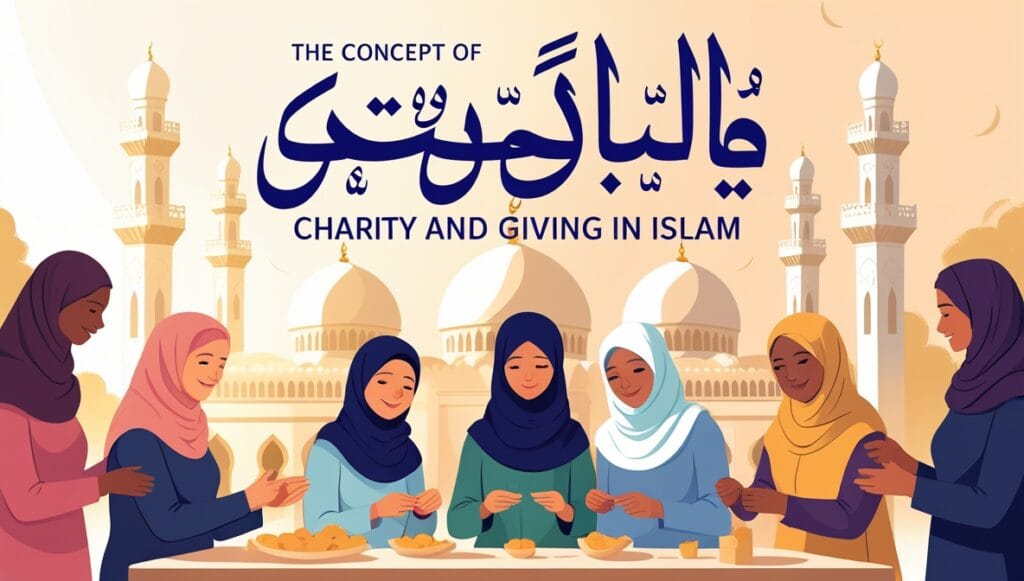
Charity and Giving in Islam hold a deep and beautiful meaning that goes beyond just helping others. It is an act of faith, love, and compassion that connects believers to Allah and to their community. Islam teaches that wealth is a blessing and a trust from Allah, and sharing it with those in need is a way to purify the heart. Every act of kindness, whether big or small, is considered a form of charity in Islam.
Muslims are encouraged to give not only to seek rewards but also to spread goodness in society. Charity builds unity, reduces hardship, and brings peace to both the giver and the receiver. It reminds believers that the true owner of everything is Allah, and giving is a form of gratitude toward Him.
The Spiritual Purpose Behind Giving
The purpose of Charity and Giving in Islam is not limited to helping the poor. It also helps strengthen a person’s soul and brings them closer to Allah. When a Muslim gives sincerely, they are showing faith, trust, and obedience to Allah’s command. The Qur’an and Hadith highlight that charity purifies wealth and protects one from greed and selfishness.
Giving also removes jealousy and hate from society, replacing them with love and harmony. It encourages Muslims to think about others before themselves and to find joy in helping those who are struggling. Islam teaches that true success lies not in how much wealth one gathers, but in how much good one spreads through that wealth.
Different Types of Charity in Islam
Charity and Giving in Islam are expressed in different forms, both obligatory and voluntary. The two main types are Zakat and Sadaqah.
Zakat: The Mandatory Charity
Zakat is one of the Five Pillars of Islam. It is a fixed portion of a Muslim’s wealth that must be given every year to those who qualify for assistance. Usually, it is 2.5% of one’s savings and assets. Zakat helps maintain balance in society and ensures that no one is left behind. By giving Zakat, Muslims acknowledge that their wealth is a trust from Allah and that they are responsible for sharing it with those in need.
Sadaqah: The Voluntary Charity
Sadaqah is voluntary and can be given at any time and in any amount. It does not have to be money—it can be a kind word, a smile, a helping hand, or even removing something harmful from the road. The beauty of Sadaqah is that anyone can give it, regardless of their financial status. This teaches Muslims that kindness and compassion are within everyone’s reach.
Charity as a Social Responsibility
Charity and Giving in Islam are not only acts of worship but also a responsibility toward society. When individuals give, they contribute to the welfare of the community. It helps reduce poverty, support education, provide healthcare, and create opportunities for those who struggle.
Islam encourages a balanced society where the wealthy care for the poor and the strong support the weak. By giving, Muslims help build a just and caring community where everyone feels valued. This social system of charity ensures that no one is forgotten or left behind.
Rewards of Charity in Islam
The rewards of Charity and Giving in Islam are countless. Allah promises great blessings for those who give sincerely. In the Qur’an, it is said that those who spend in the way of Allah will be rewarded many times over. Charity not only brings rewards in this life but also in the hereafter.
Every act of giving is recorded, even if it seems small. The Prophet Muhammad ﷺ said that a smile is a form of charity. This shows that Islam values every effort made for the sake of goodness. Charity also brings peace to the giver’s heart, removes hardship, and invites Allah’s mercy.
The Ethical Way to Give
While giving is highly encouraged, Islam teaches that it should be done with pure intention and respect. Charity and Giving in Islam must come from sincerity, not from showing off or seeking praise. The right hand should give so quietly that the left hand does not even know.
It is also important to give in a way that preserves the dignity of the receiver. A Muslim should never make someone feel small or embarrassed when offering help. True charity uplifts the spirit and strengthens relationships within the community.
Teaching the Next Generation About Charity
Teaching children about Charity and Giving in Islam is one of the best ways to build a caring future generation. Parents can encourage their children to share their toys, food, or savings with others. This helps them develop empathy, gratitude, and kindness from a young age.
When children learn the value of giving early, they grow up to be generous adults who understand that wealth and blessings are meant to be shared. This keeps the spirit of charity alive through generations.
Building a Compassionate World Through Giving
Charity and Giving in Islam promote a world filled with compassion, fairness, and understanding. When Muslims give with sincerity, they help create a society where everyone has hope. Giving reminds us that no one is truly rich until they learn to share what they have.
By practicing charity regularly, Muslims reflect the mercy and kindness of Allah in their actions. It strengthens their faith and brings communities closer together.
Conclusion
Charity and Giving in Islam teach believers to live with purpose, kindness, and gratitude. Every act of giving is a step toward earning Allah’s pleasure and building a better world. Whether it’s Zakat, Sadaqah, or a simple kind act, each effort counts in the eyes of Allah.
If you wish to learn more about the beautiful values of Islam and grow spiritually through acts of charity, connect with NAIF Center. Join hands in spreading love, compassion, and generosity—because true faith shines brightest through giving.